
Reflections on Spring
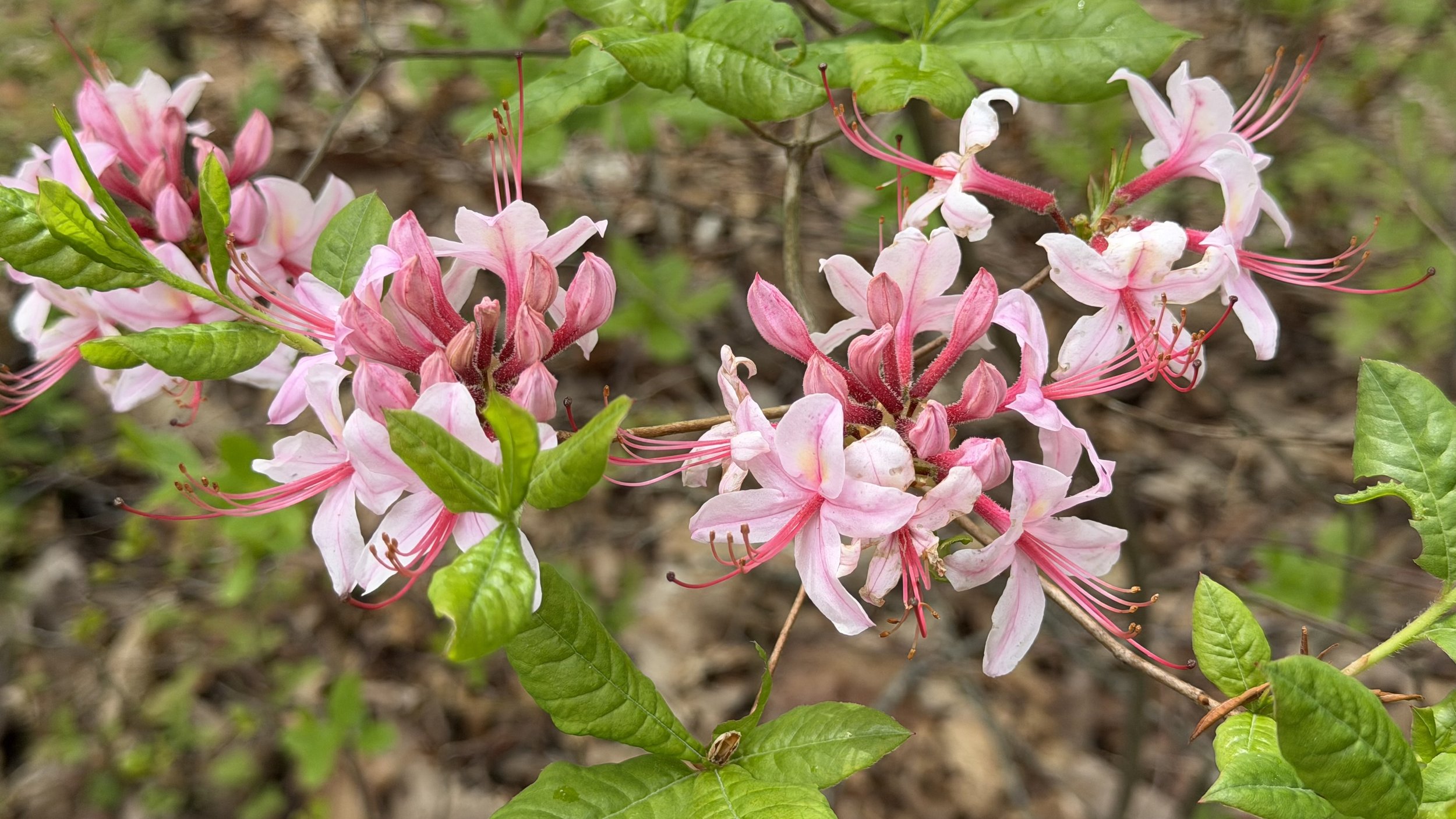
Wild azaleas along the Appalachian Trail above Warwick, NY.
Spring is nothing if not overwhelming, but as a rainy Memorial Day weekend gives my gardens a long-overdue drink, I’m finally pausing to reflect. The season has been a blur of encores, chasing early spring blooms across times zones, from Italy to Florida, and then back to New York.
At home, I practiced a slower spring cleanup to support local pollinators, letting the garden wake up at its own pace—a decision that already feels like a lifetime ago as summer nears.
Now, before the season slips away, I share some highlights of recent activity as well as my top ten plant obsessions this spring.
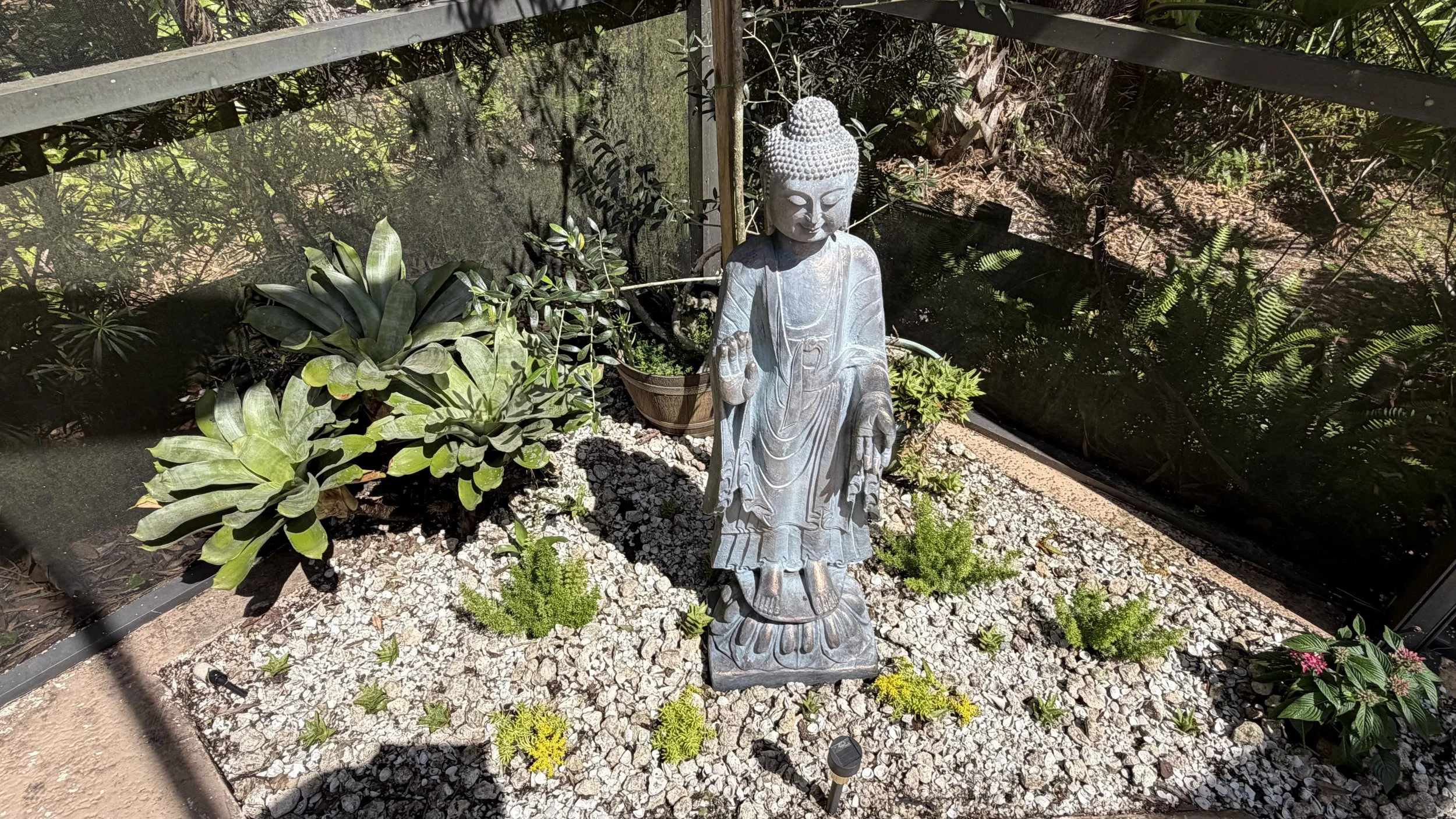
Poolside meditation garden near Sarasota, Florida.
Meditation + Sculpture Garden
Before returning to New York, I planted a poolside meditation garden for my family in South Florida and crafted bespoke agave sculptures for their front border (above and below).

Agave sculpture in front garden border.
Orto Botanico di Padova
Prior to that, I botanized throughout late winter and early spring in the Veneto region of Italy where I made a brief study trip to L’orto Botanico in Padua, the world’s first botanic garden (established 1545). The photo below is part of their library’s collection of seeds and herbarium specimens—a perfect blend of science and art!

Seed library at Orto Botanic di Padova.
Venice
My time in Italy was supported by the Emily Harvey Foundation, where I was artist-in-residence in February and March. Horticulturally adjacent, my multimedia project there focused on research related to the natural aquapelago and barene of the Venetian lagoon. On Lazaretto Nuovo, I was able to study firsthand the effects of flooding and flood control systems on the habitats and native marine species of plants and animals. Through this research, I began crafting Gestures for Rising Waters, an ongoing series of iterative prompts. To learn more, visit my artist page and writings on GESTURES.

A walk along the Barene on Lazaretto Nuovo with fellow artists-in-residence.
Current Projects
As the gardening season progresses, I am excited for the many new design projects which are starting to take shape, from replenishing gardens in Brooklyn and the Bronx to several new designs being implemented in New York City and along the Hudson Valley.
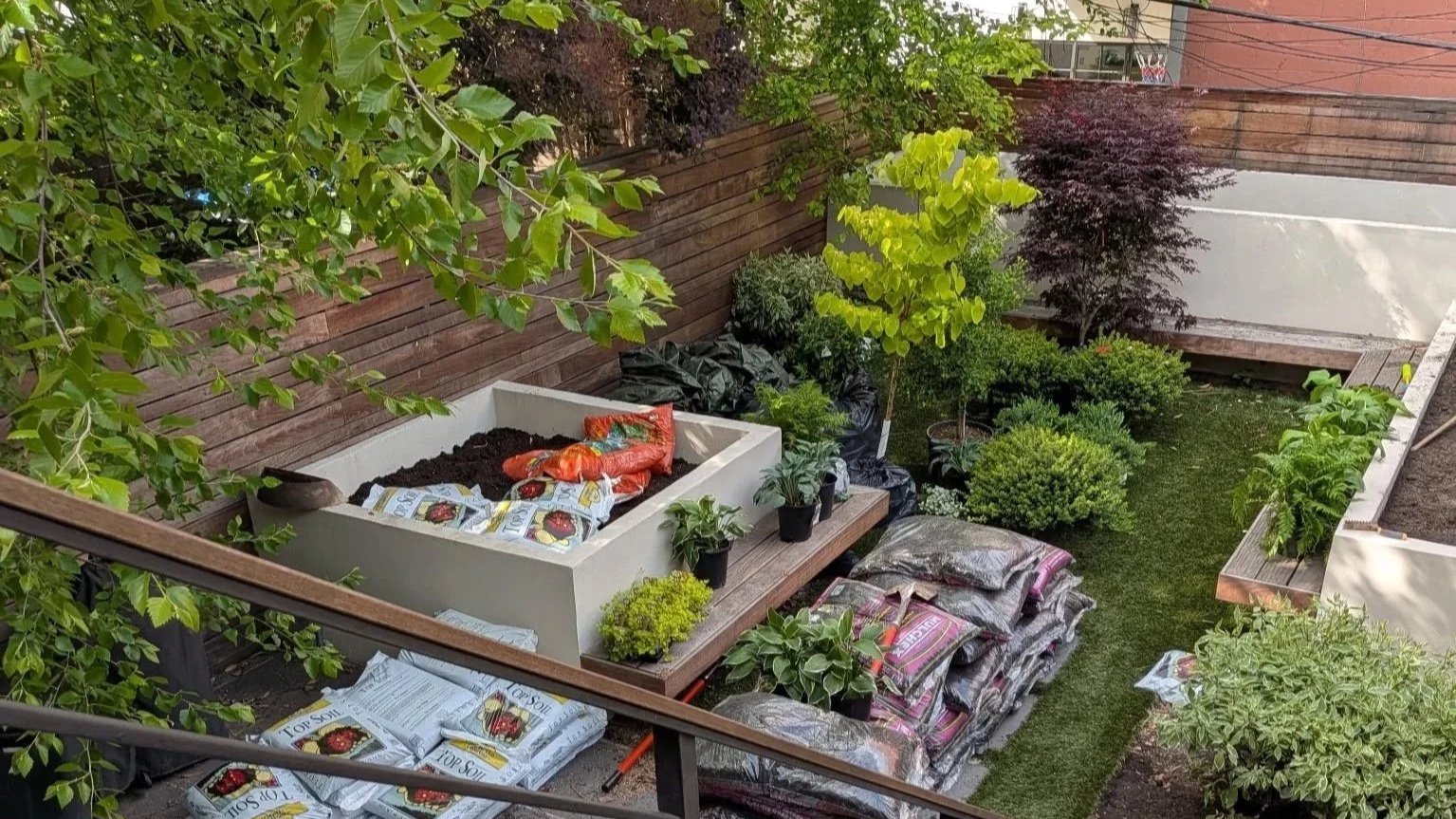
South Slope load-in, Brooklyn.

Concept rendering for 1 of 6 areas of garden beds on Greenwood Lake.
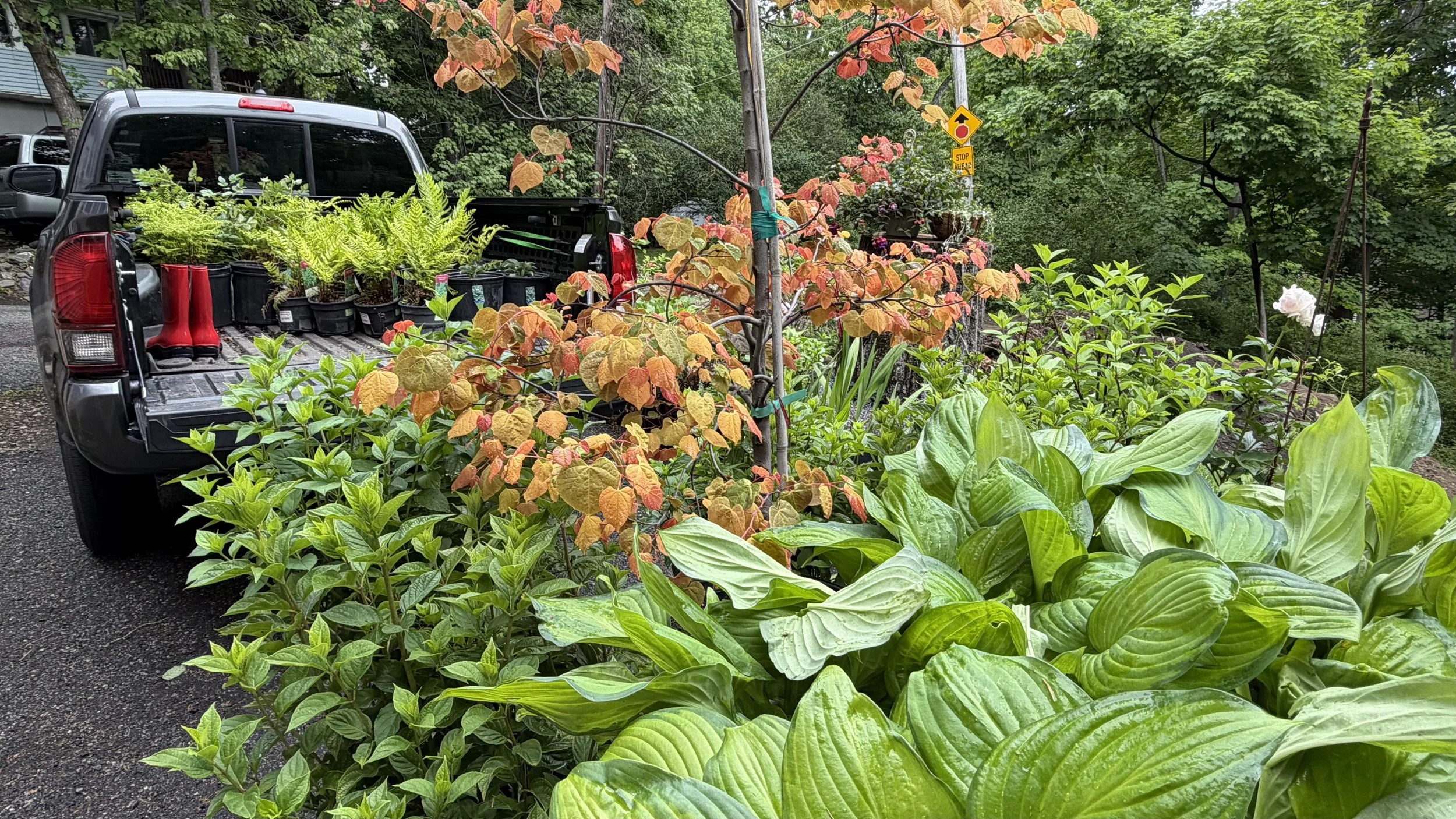
Daily load-in and load-out from my “home office.”
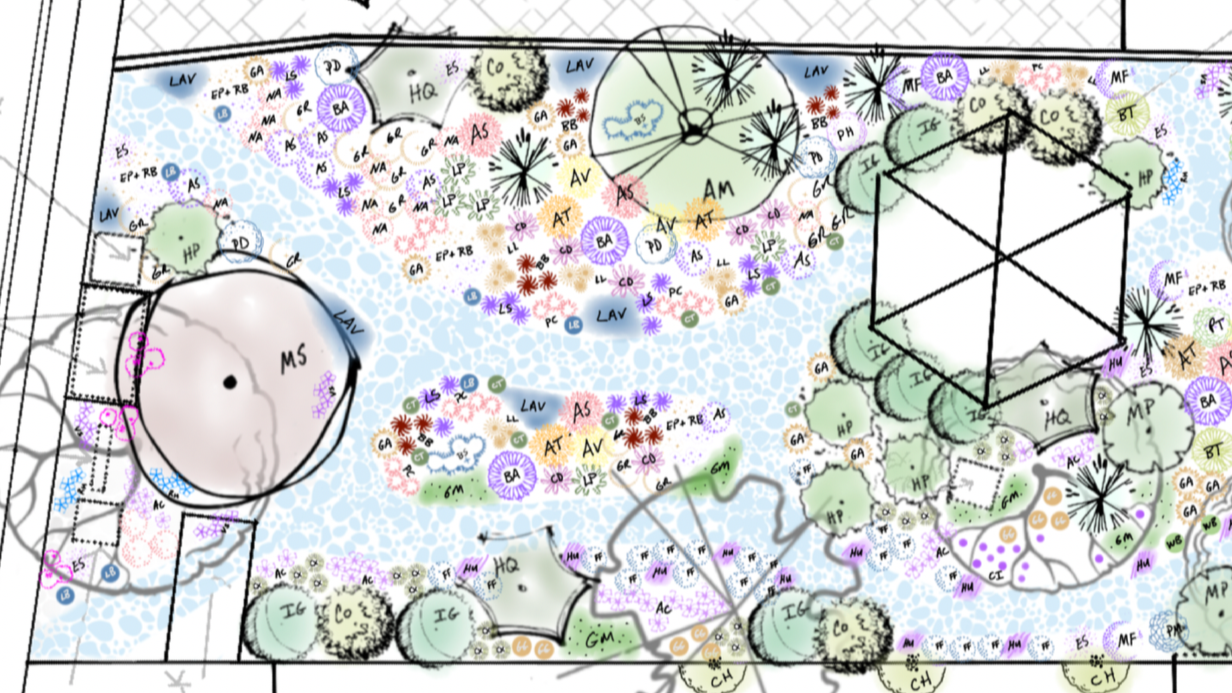
Planting plan for new community pollinator garden in Greenwood Lake.
Spring Obsessions:
Below are my top 10 obsessions this spring!

1. Wild Ginger
There are several types of this luscious and highly tolerant ground cover. I’m currently obsessed with the glossy green of Asarum europaeum (European ginger) that a client generously gifted to me, but there are several species native to North America including:Asarum canadense (Canadian), Asarum caudate (Pacific Northwest), and Asarum Hexastylis (Southeastern), plus many more.
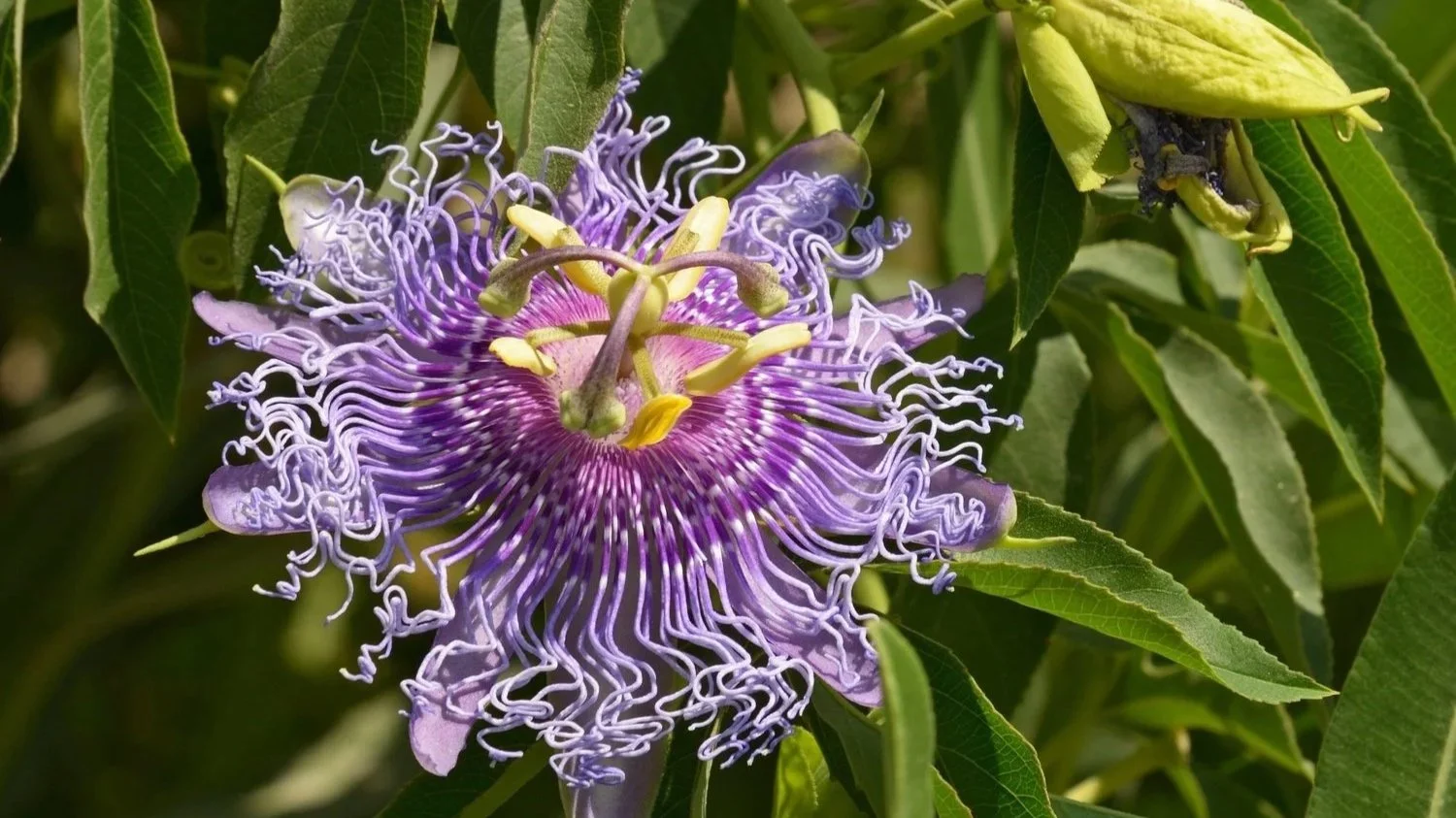
2. Hardy Passiflora
Ever since moving to New York from Florida, I’ve grown different varieties of passiflora (AKA passion vine, passion flower, passion fruit) indoors, but I only just realized there are two hardy species that thrive in our region of the Hudson Valley, Passiflora incarnata (Maypop) and Passiflora caerulea (Blue)!
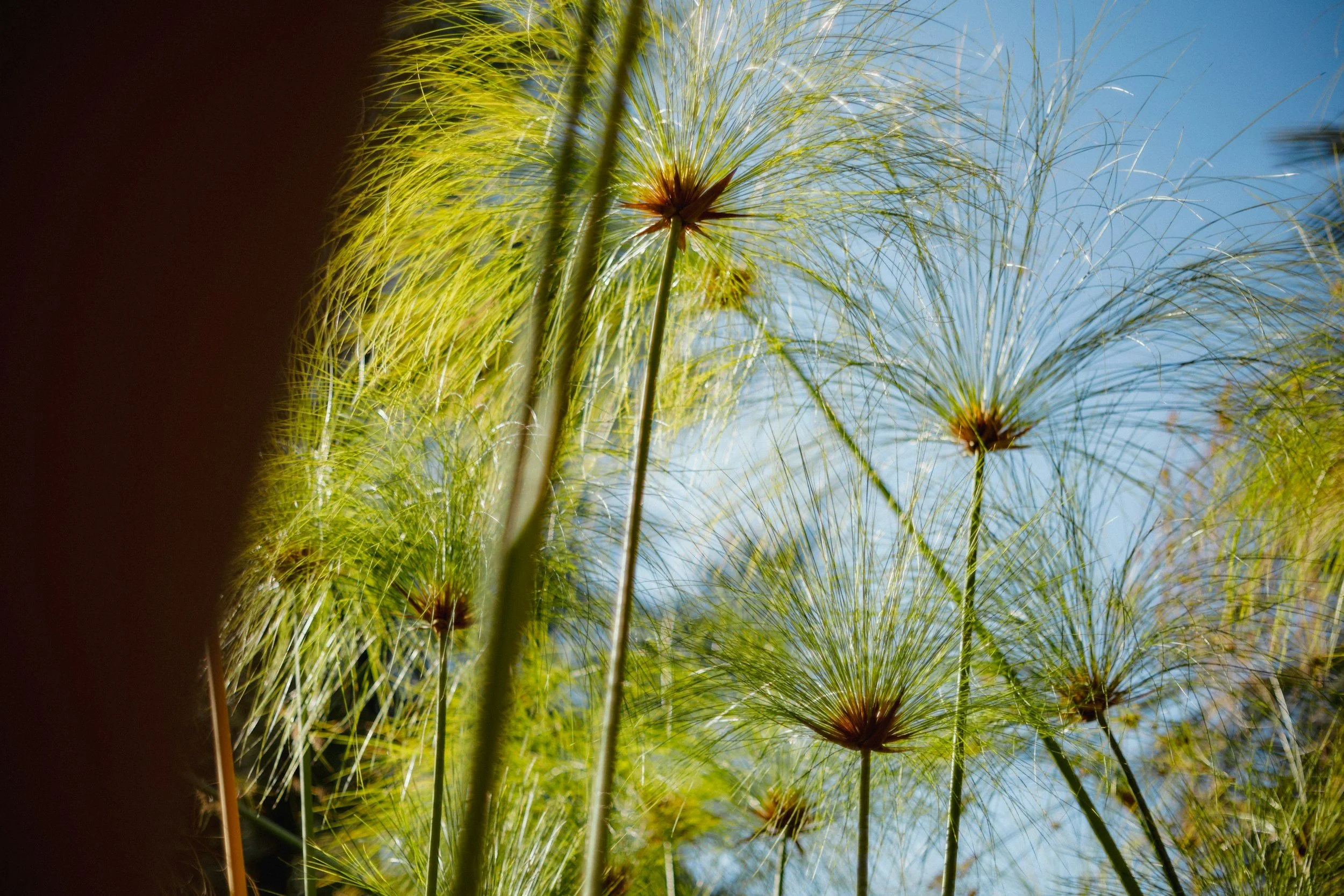
3. King Tut Papyrus
Last year, while trouble-shooting a lake planting for a client, I realized I could use warm zone plants as lakeside annuals (without the worry of introducing invasives). So, now we put Cyperus papyrus ‘King Tut’ out in spring and overwinter it inside. If you have cats like I do, heads-up, it is a safe indoor plant for them but also pretty irresistible to play with and eat. My girl, Ally, single-handedly felled a King Tut in less than a week.
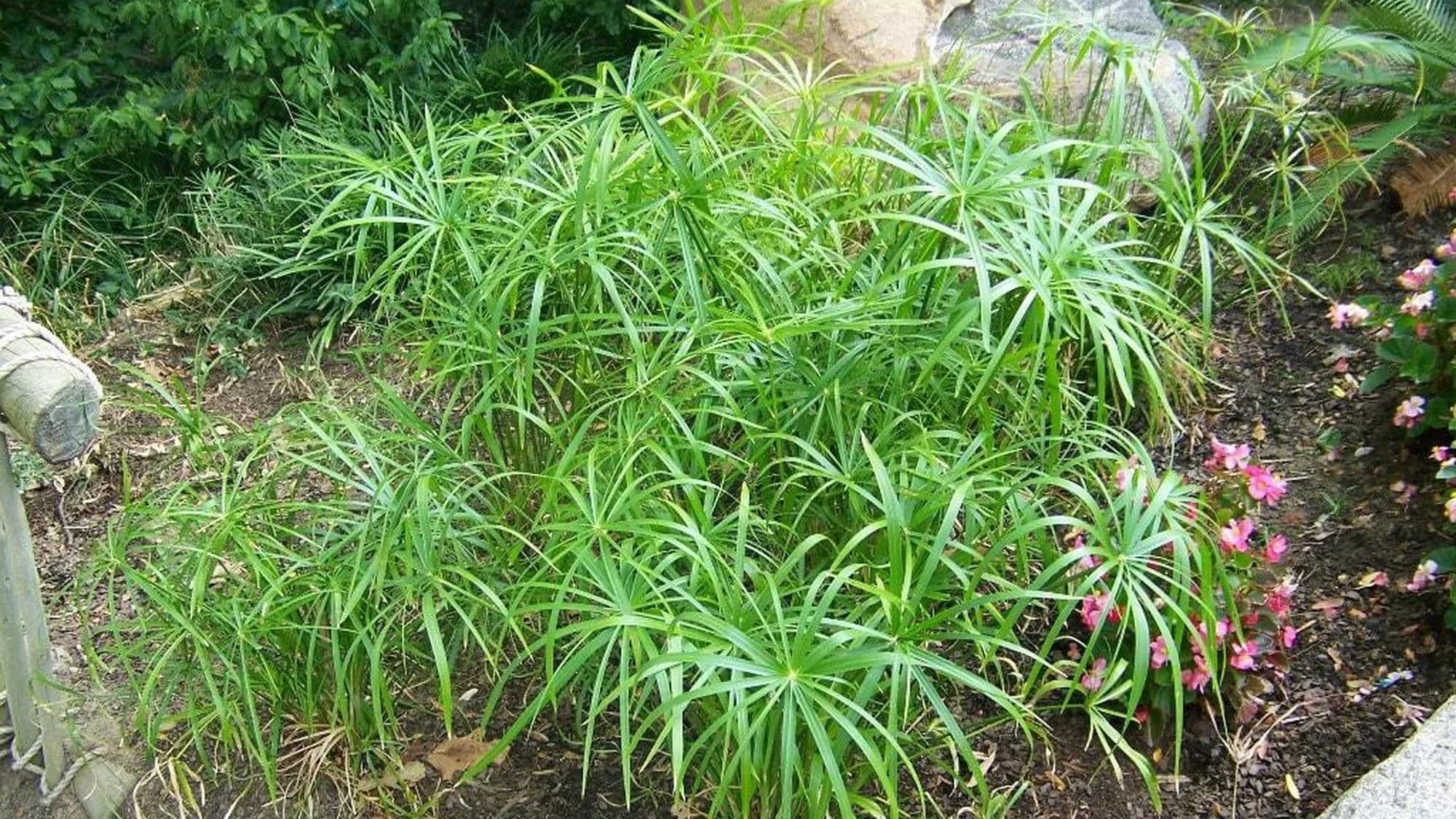
4. Baby Tut
Cyperus involucratus 'Baby Tut' (AKA umbrella papyrus) is a dwarf tender aquatic native to Madagascar. It is perennial in Zones 9-11 and a tropical or annual in New York. Forming a clump of erect, triangular stems that sprout from woody rhizomes, it makes a great companion to its distant cousin, the Egyptian papyrus, and a compliment to other aquatic plantings.
The alphabet was one thing
when applied to clay or stone,
and quite another when
set down on light papyrus.
– Marshall McLuhan

5. Queen of the Night
My Epiphyllum oxypetalum (Orchid Cactus, Queen of the Night, Dutchman's Pipe) is finally large enough to bloom. I keep it indoors during the winter and out on the sunny deck in summer. Epiphyllum is a fast-growing, tropical jungle cactus native to Mexico and Central America whose flowers only bloom at night. Its pollinators are moths and bats!
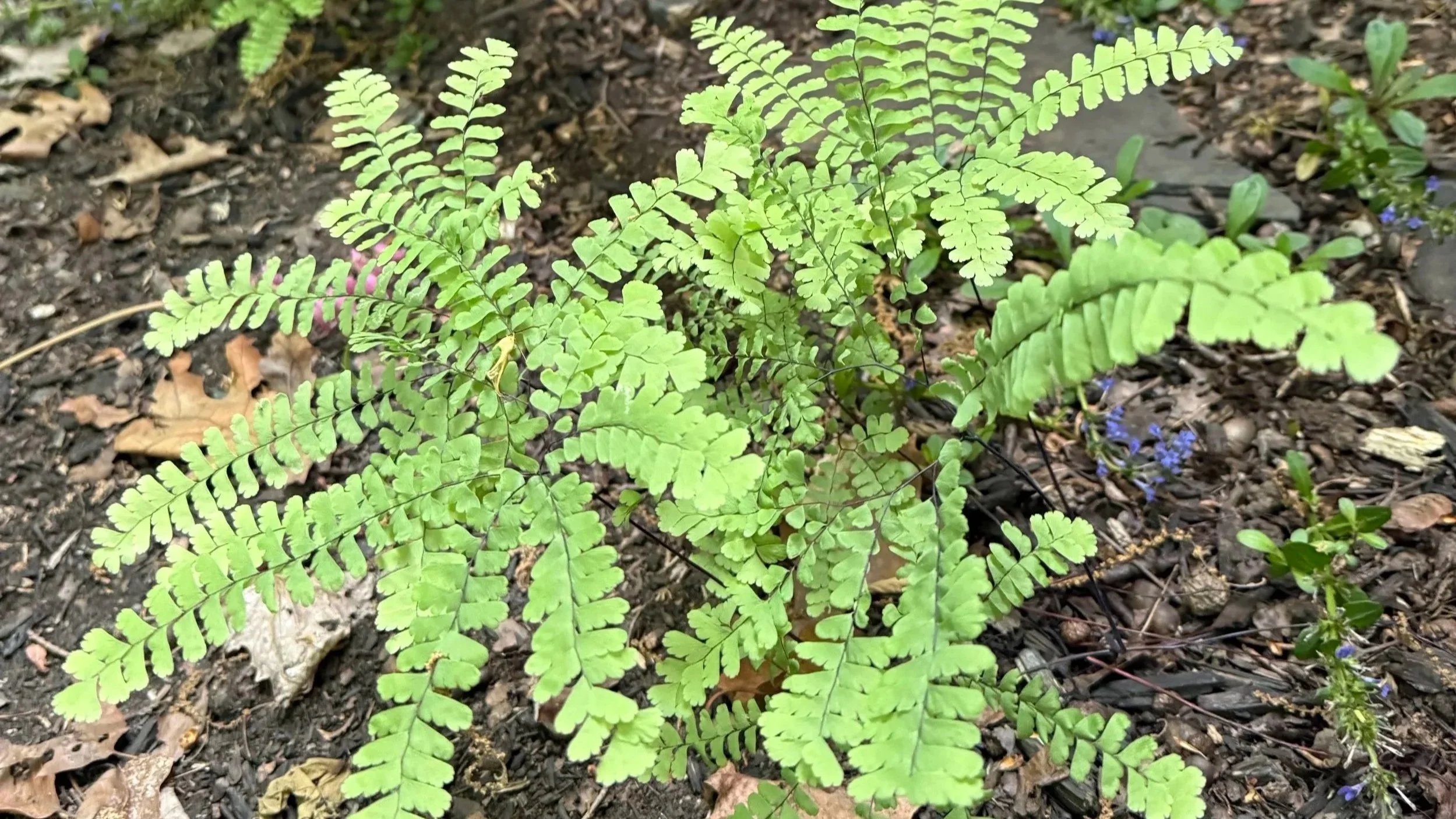
6. Northern Maidenhair Fern
A native New Yorker, Adiantum pedatum may look delicate, but she is as tough as they come, bouncing back with resilience each spring. The one in this photo was a house-warming gift from our friend Mohammed when we moved out to Greenwood Lake. He named her Fern Drescher. This year, she’s begun to multiply. In many of my client gardens, she’s also the star of the shade border.
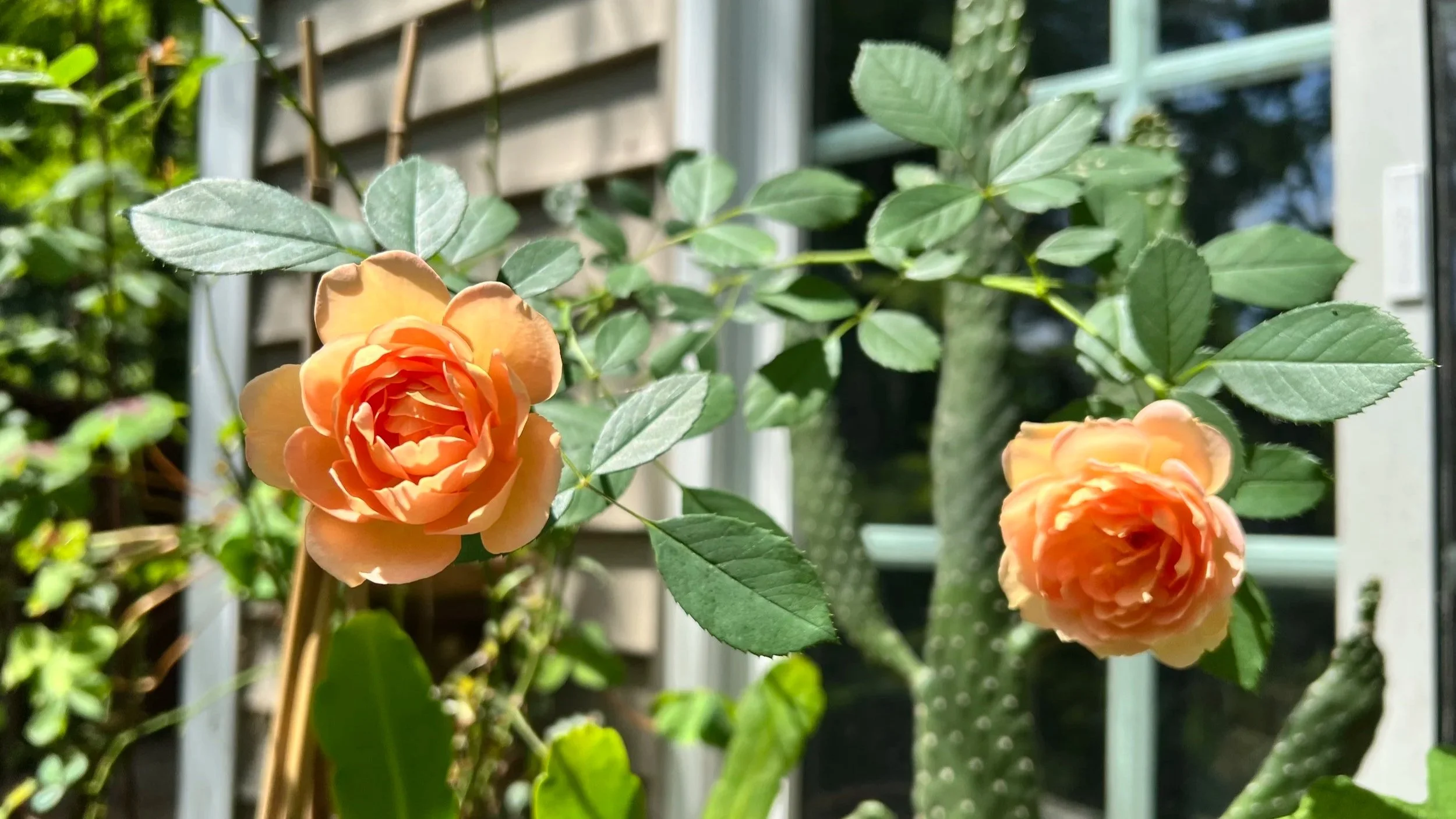
7. Lady of Shallot Roses
I enjoyed these on my deck all last year and am looking forward to putting more in my new sun garden this summer. Available from David Austin Roses, Lady of Shallot has rich orange-red buds that open to chalice-shaped blooms, filled with loosely arranged, orange petals. The surrounding outer petals are salmon-pink.
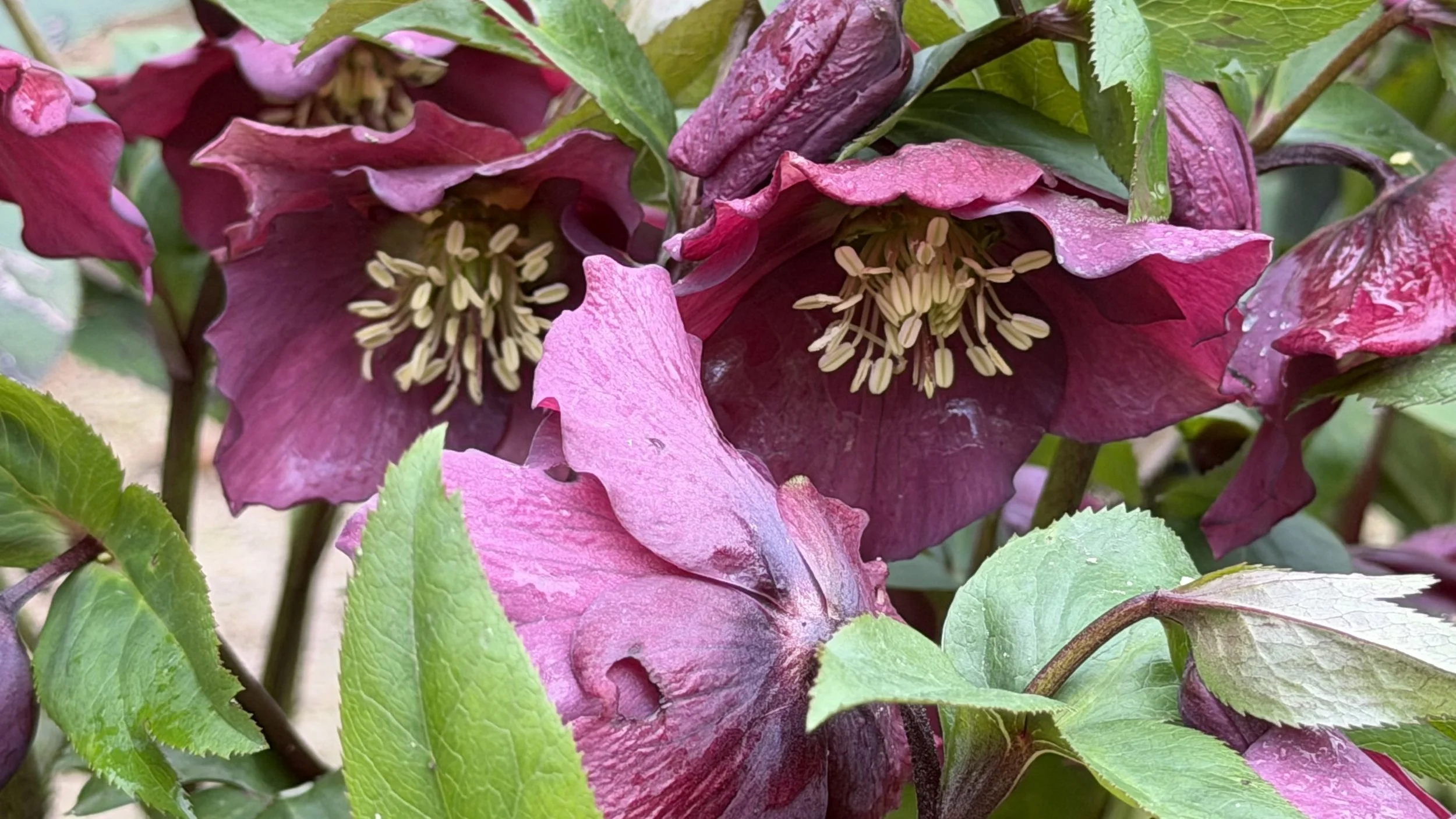
8. Hellebores
Also called Lenten roses, these are the subtle stars of my garden in any season. They are evergreen, but particularly stunning in spring, when they offer renewed blooms and bold new leaves. Helleborus foetidus is our native species in New York.
None too close to let the wind
Find a place to breathe between,
Where the wild bee cannot miss
All the sweetness that there is,
Underneath her tent of green.
– Dora Read Goodale

9. Virgin’s Bower
Clematis virginiana (Virgin’s Bower) is a pollinator magnet, and a great native alternative to the popular, but invasive, Sweet Autumn Clematis (Clematis terniflora). It grows thick and full on fences, arbors, and trellises. And the spent flowers leave behind a swirl of seed heads that look a bit like fireworks, which gives late autumn and winter interest, even when the vine goes dormant.

10. Dwarf Solomon’s Seal
Polygonatum humile is a petite, slow-spreading, herbaceous perennial native to Asia. Reaching only 6-10 inches in height, it features arching stems of glossy green leaves and dangling, bell-shaped white or greenish-white flowers in late spring. It thrives as a shaded ground cover and looks great alongside its taller relatives, Polygonatum odoratum, or the native North American Polygonatum biflorum.
Have a gardening question? Email me.
Please feel free to share this with anyone you think might appreciate or benefit from this content or would like to receive seasonal updates and tips.
Happy Planting!
— Tom
TOM PEARSON
Principal Landscape Designer & Horticulturalist
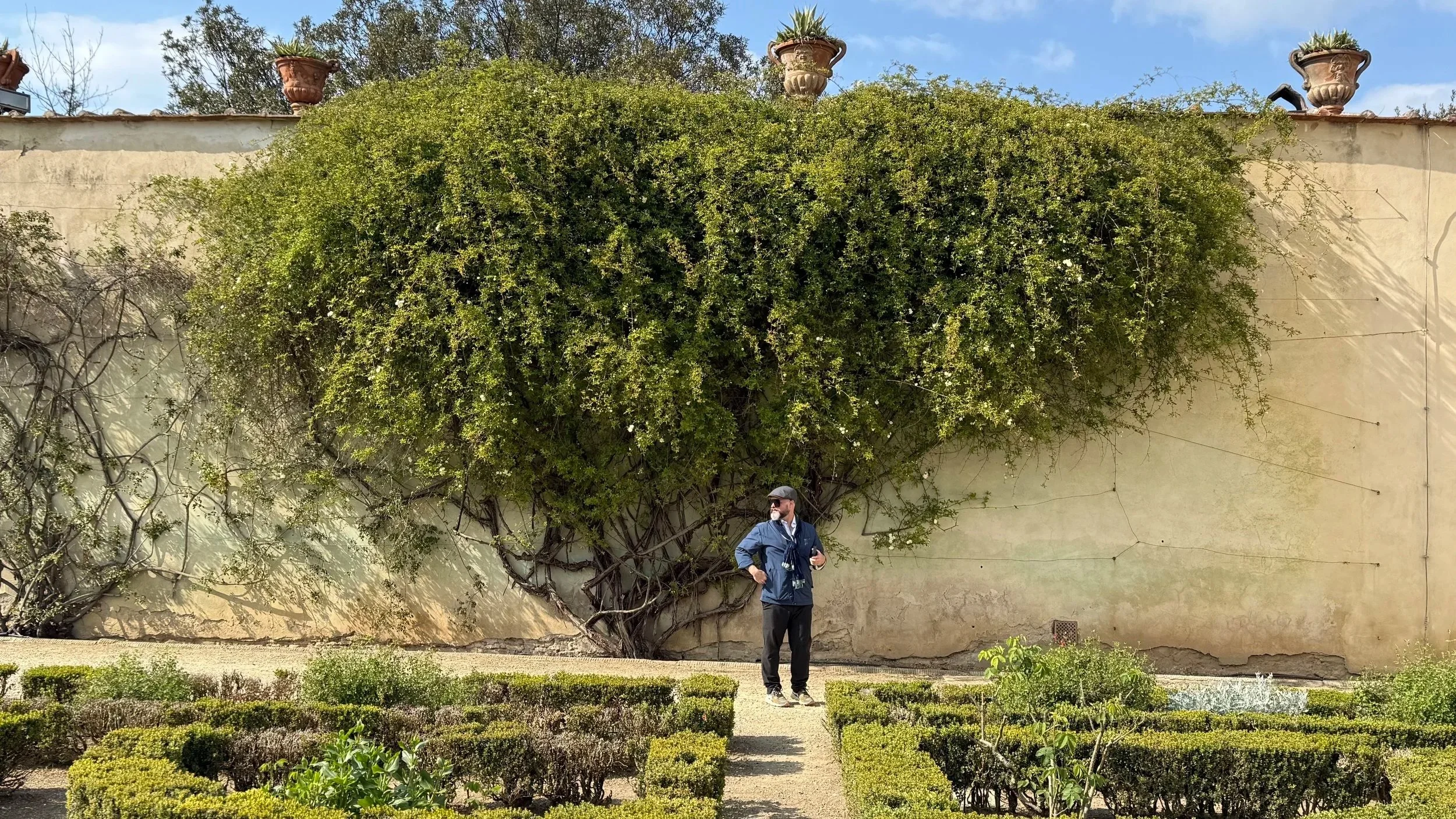
(Tom Pearson) in Florence, Italy; photo by Shannon Jowett